

Compare renovation scaffolding vs access towers to find the best solution for your upgrade. Find out how safe, reliable access boosts project speed and safety.
What is renovation scaffolding?
Renovation scaffolding is a temporary structure built around a building to create safe working platforms. It uses steel or aluminium tubes, boards, and fittings that are fixed by trained installers. The layout is made to match the overall shape and size of the building. This way, workers can move along full lengths of walls without any dangerous gaps.
Unlike small platforms, full scaffolding wraps all the key areas or entire elevations, which gives your painters, bricklayers, and roofers plenty of steady access to many points at once. Handrails, toe boards, and secure ties are useful to help prevent falls and major injuries. They also allow you to store materials on wider bays to reduce the number of trips on the ground.
Every scaffold is thoroughly planned to suit the intricacies of your building project, and all designers make sure to consider height, width, and the weight of people and tools. Anchors are used to connect the frame to the structure for even more strength. Weather protection, like sheeting, can also be added, as this allows you to keep work moving.
Safety checks are part of the setup. A competent person must inspect the scaffold before its first use and at set times after that. Any changes to the build will be recorded, and there are clear site rules, which tell everyone how to use the platforms.
What is an access tower?
An access tower is a free-standing, mobile scaffold unit. It is usually made from lightweight frames, braces, and platforms. Wheels at the base of the tower allow for careful movement on flat, clear ground. The assembly of the scaffold will always follow the strict guidelines set by the maker.
Smaller size makes towers quick to set up, and this makes them great for shorter tasks. A single trade can reach one area without building a full scaffold line, and simple jobs like painting a window or fixing a light fitting tend to suit this gear. Compact parts also fit well in tighter spaces.
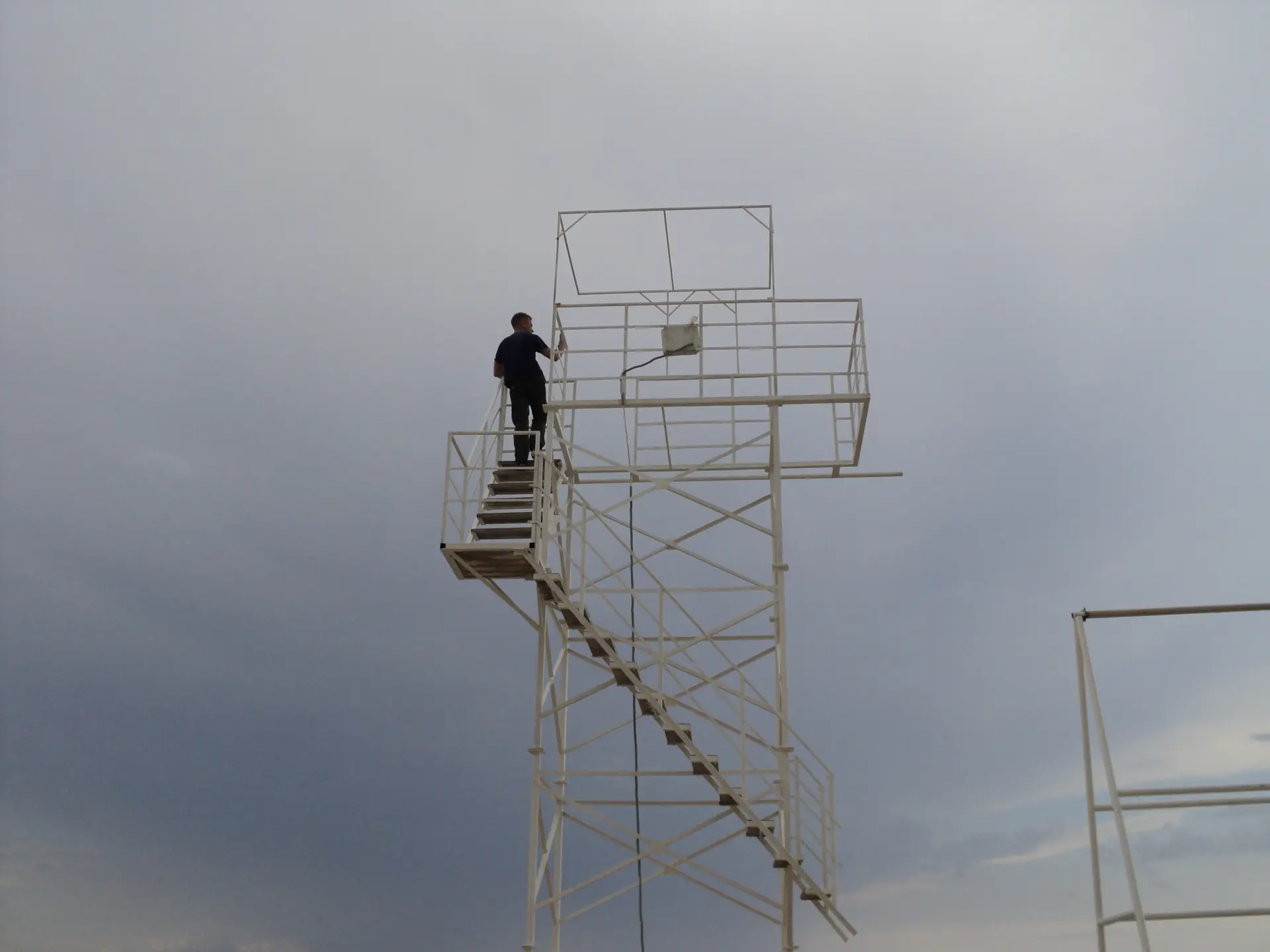
Despite the size, safe use is still incredibly important. The tower must be built to the stated height and with the right guardrails.
Platform traps should close after entry. Stabilisers or outriggers are fitted when needed, and hiring or buying these necessities can both work.
Short projects usually use hired services to save storage costs.
Longer programmes may justify purchase and some training on how to erect, install, or dismantle these scaffolds, towers and platforms.
When each option suits your project
Choose renovation scaffolding when the work covers long runs of wall or several levels. Tasks like re-pointing, render repairs, or full roof renewal benefit from having wider platforms. Many workers can operate at once without any dangerous crowding, and continuous walkways are also a great way to speed up progress.
Pick an access tower when the job is small, localised, and brief. A single doorway repaint or a gutter fix along one bay is a good match. Fast setup limits downtime. Easy relocation is best when tasks are frequently moved around different parts of the building or site. Think about the site layout before deciding on anything. Narrow alleys, shared pavements, or busy entrances may restrict larger scaffolds, but a tower can weave through much tighter spots.
Factor in the programme and budget as well. Longer timelines spread the cost of a scaffold. Short bursts of work favour a tower that can appear and vanish the same day, yet mixed projects can sometimes use both at different stages.
Load capacity and working height limits
Load capacity tells you how much weight platforms can safely hold. Renovation scaffolding can be specified for much heavier loads, including bricks, tiles, and tools. Higher duty classes allow several workers to carry out tasks side by side, and proper loading plans help you avoid over-stacking your tools or materials.
Working height is another key limit to consider. Fixed scaffolding can rise to great heights when they are made and tied correctly. Extra lifts can be installed as the build grows, and you begin working at higher levels. Wind and exposure are also managed through ties and bracing.
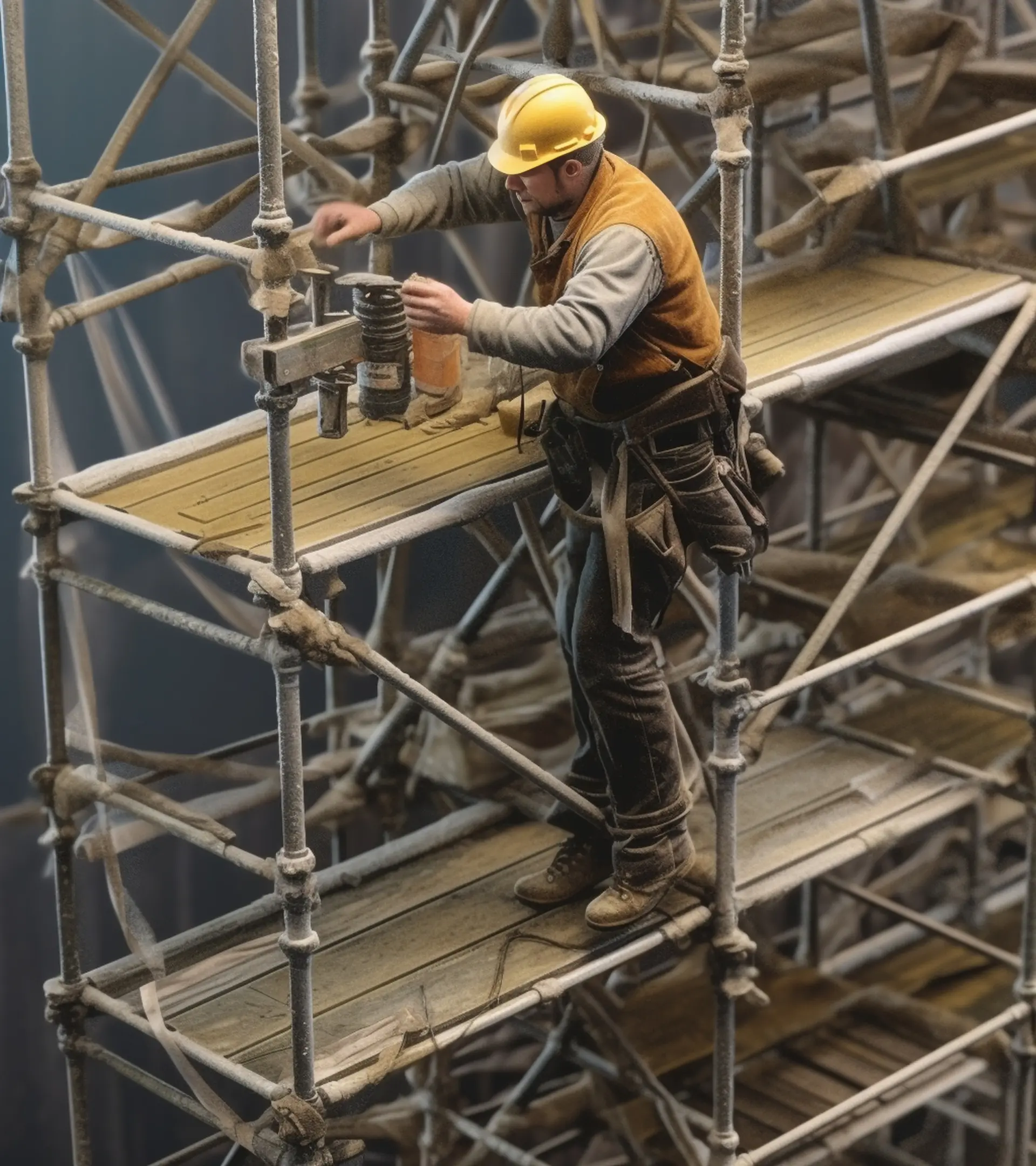
Access towers also have stated load and height rules. Most towers are rated for lighter duties, such as one or two people with hand tools. Outriggers or tying may be needed for safety as the height of the building increases.
Respecting the numbers keeps people safe, so always consult labels and manuals, as these list the exact limitations.
Many maker guides tend to set a maximum free-standing height. Supervisors should make sure to brief teams before use. Inspections confirm nothing has changed since setup.
Ground conditions and surface types
The ground conditions of your build will influence your scaffolding and access tower choices. Renovation scaffolding needs plenty of firm, level support, and base plates and sole boards spread the load. Soft soil or filled ground will need some extra design input to make sure it is sturdy.
Surface type under a tower matters even more because of the wheels. Smooth, flat, and clean floors help eliminate the risks of movement. Holes, slopes, or debris can cause tipping. All brakes must be applied properly whenever the tower is in use to keep it completely stable.
The weather can change the base risk of your project. Heavy rain will always soften soil and weaken the support for scaffold legs. Ice or dust on concrete can make tower wheels lose grip.
Site preparation helps every system. During site prep, you can clear trip hazards, mark out walking routes, and protect fragile covers. Always check for cellars, voids, or service ducts before you begin loading your scaffolding or platform with materials.
At VAB Scaffolding, we're here to supply local workers with sturdy, safe scaffolding, platforms, and access towers so that your projects can be completed safely and on time. Give our team a call today for renovation scaffolding in Barnsley, Leeds and Sheffield.
Related Articles
Common Renovation Scaffolding Mistakes