
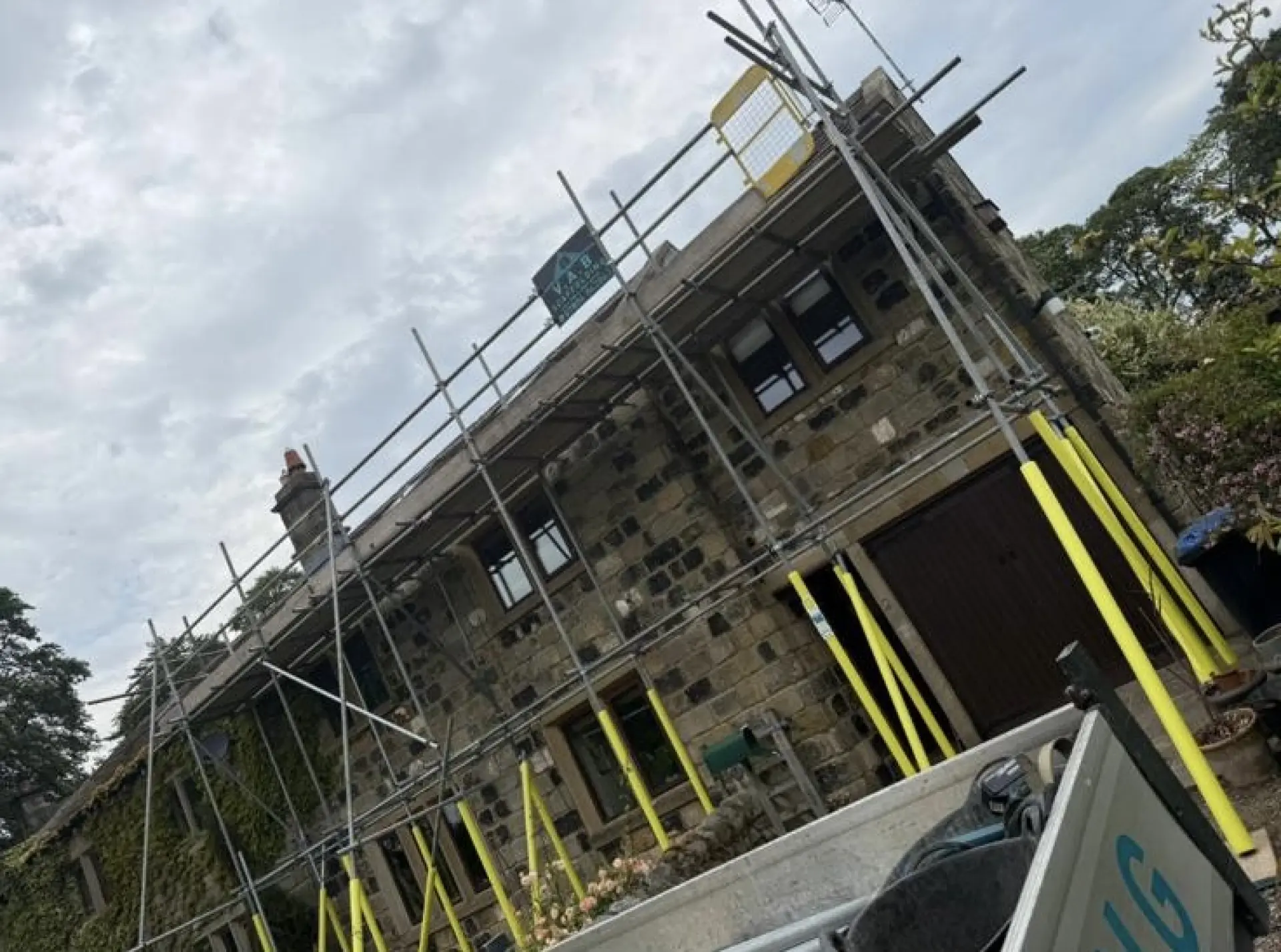
Understand common renovation scaffolding mistakes to prevent delays and hazards. Get professional advice for safer, more effective scaffolding setups in the UK.
Choosing the wrong scaffold for the job
Many projects fail at the first step by picking a scaffold that does not match the task. A full façade job needs some fixed scaffolding with wide platforms and ample room for materials. A quick window repair may only need a mobile tower. The wrong choice slows work and raises risk.
Some trades need heavy loads on the platform, such as bricklayers and roofers. A light-duty tower cannot hold stacks of tiles or bricks safely. A system with the right duty rating keeps the structure stable. The right pick also reduces the number of trips up and down the tower or steps.
In contrast, complex building shapes call for more flexible layouts; for example, curves, steps, and setbacks need bespoke bays, ties, and decks. A one-size tower usually does not fit these details, whereas a well-designed scaffold can adapt to your specific site without cutting any corners.
Skipping site surveys and ground checks
Too many teams skip a proper survey of their site before ordering the scaffold or access tower. Soft soil, hidden voids, and weak pavements can usually fail under heavy loads and large structures without strong foundations. Nearby traffic, trees, and cables can also add further hazards, and a survey is the best way to find these issues early.
Thorough ground checks set the base for safety. Level tests, soil firmness, and support points should always be recorded so that these can be closely assessed and rectified if necessary. Sole boards and base plates spread the weight where needed. Having clear data on-hand allows for the right setup every time.
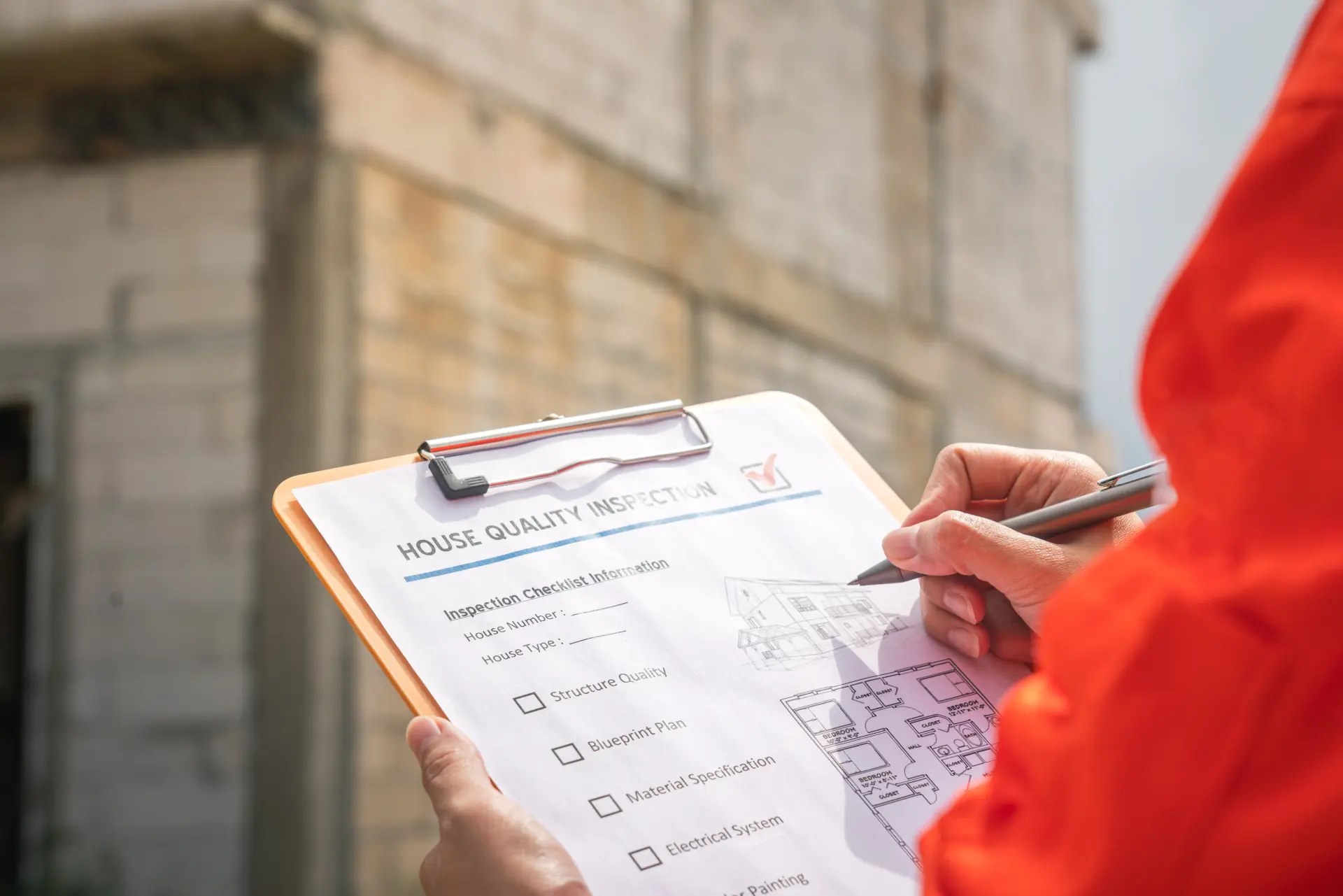
Nearby structures must also be closely reviewed by a competent, trained person on site. Cellars, drains, and utility covers may not carry the weight of standards, meaning the ground under those features might be too weak to hold the scaffold’s vertical poles, as they can crack or give way.
Protective mats or bridging may be required to cover any weak spots, as this can add strength. Pay close attention to these small fixes and carry them out as soon as you can to prevent big failures later on.
Clear drawings finish the survey stage. Access routes, storage zones, and exclusion areas should be marked. Everyone then understands where the scaffold can stand. Strong groundwork makes a strong scaffold.
Unsafe access points and ladders
Poor access is a frequent cause of falls and near misses. Open edges without guardrails tempt shortcuts. Platforms cluttered with tools force awkward moves. Safe access starts with a clear route.
Correct ladders or built-in stair units must be chosen. Ladders should be tied, extend at the right distance, and have sound rungs. Stair towers add plenty of comfort for busier sites and heavier tools. The easier your scaffold is to climb, the safer the behaviour.
Closed trapdoors are needed for platform safety, as open hatches create sudden holes underfoot. Self-closing devices and clear signs are a good way to reduce the number of mistakes. Good habits protect everyone on the scaffold.
Frequent checks keep access secure. Any loose fittings, worn ladder feet, and missing toe boards should always be fixed immediately. Having toolbox talks will remind your teams of the rules.
Ignoring wind and bad weather risks
Weather is often treated as an afterthought for many who wish to carry out property improvements or new builds. Yet, you must be aware that strong winds can lift sheeting, shake frames, and move unsecured items. Heavy rain softens soil and floods work zones, and ice and snow will add dangerous slip risks to every step.
Wind calculations should guide tie patterns and bracing. All scaffold designers must consider exposure, height, and local shelter. Extra ties and heavier-duty anchors may be needed, depending on the climate.
Protective measures reduce the number of weather-related delays you may experience. Debris netting and shrink wrap control loose materials, and water run-off routes stop rain from pooling on decks. Anti-slip treads are also useful for colder conditions.
Make sure to do frequent forecast checks each morning, and allow these to inform your decisions on whether or not to pause work.
Work should pause if gusts exceed the rated levels. Sensible pauses will help you beat dangerous progress.
Blocking doors, paths and emergency routes
Site layouts can sometimes overlook how people move, and this is why it's important to think broadly about the scaffolding design. Scaffolds that block fire doors or narrow footpaths put lives at risk. You also need clear access at all times in case of emergencies, so that paramedics, firefighters, and investigators can utilise the scaffolding safely.
Alternative routes should be planned and signed. Temporary barriers, ramps, and lighting keep people safe, and any doors that must stay open need to have protected walkways. Clear maps allow everyone on site to find the right path and manoeuvre around easily.
Council rules and neighbour needs matter in public areas, for example, pavement permits and hoardings may be necessary. If you have deliveries of materials coming, make sure they avoid arriving at peak times to reduce any crowding.
At VAB Scaffolding, we're here to supply local workers with sturdy, safe scaffolding, platforms, and access towers so that your projects can be completed safely and on time. Give our team a call today for renovation scaffolders in Barnsley, Leeds and Sheffield.
Related Articles
Renovation Scaffolding vs Access Towers